Power outage checklist for Canadian homes
Short answer: Plan to be on your own for at least 72 hours. That means about 4 litres of water per person per day, food that needs no cooking, a crank or battery radio, a lantern or headlamp for every adult, spare power for phones, and a safe way to stay warm.
Before the power goes out
- Water: about 4 litres per person per day for at least 3 days, in small bottles you can carry.
- Food: canned and dry food that needs no cooking, plus a manual can opener. Include pet food and baby formula if you need them.
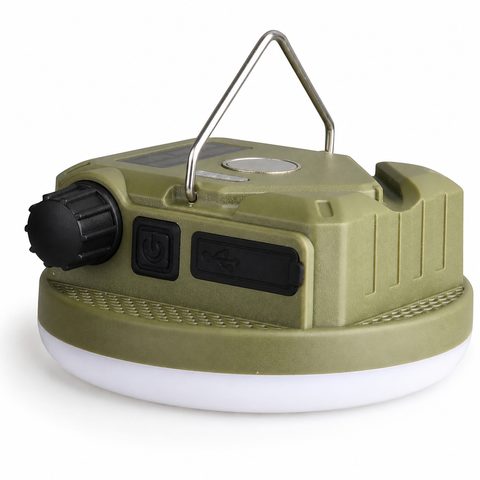
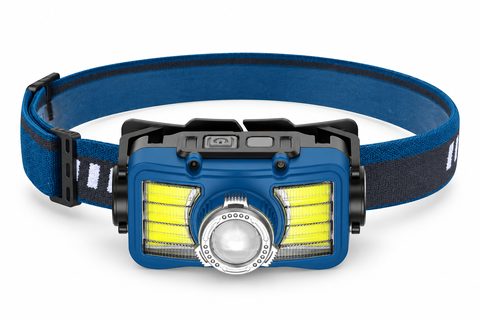
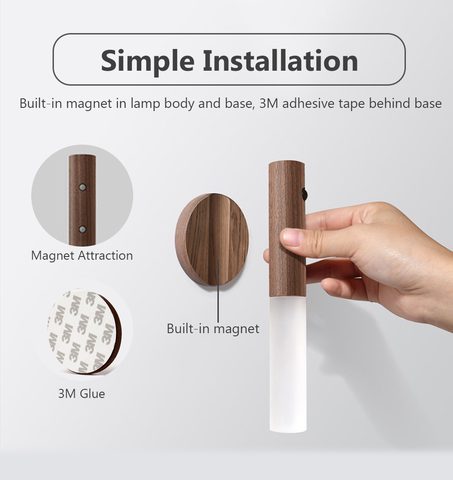
- Light: a lantern for the room and a headlamp for each adult. Battery lights are safer than candles. Our rechargeable LED lantern also works as a power bank, and a motion-sensor headlamp keeps your hands free.
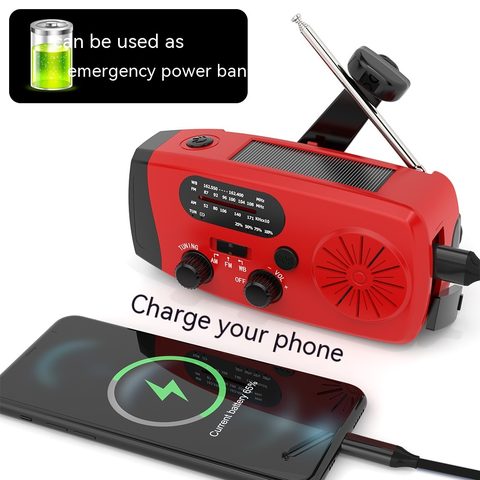
- Information: a hand-crank or battery AM/FM radio, such as our solar and hand-crank emergency radio. Phones and home internet often fail in a long outage.
- Phone power: charged power banks and a car charger. Keep your gas tank at least half full, or your EV charged, when a storm is forecast.
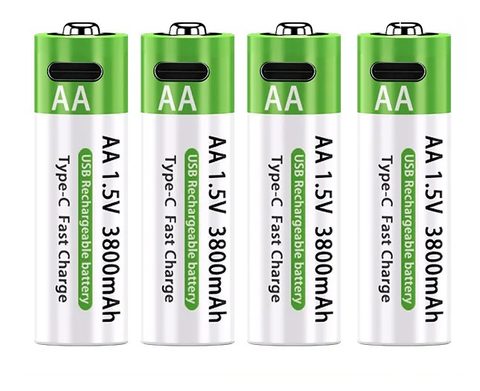
- Batteries: spares for every device. USB-C rechargeable AA batteries can be recharged from a power bank or car USB port.
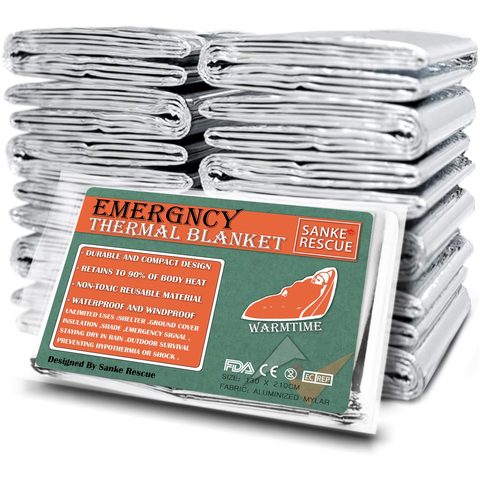
- Warmth: blankets, sleeping bags, tuques and layers. Compact mylar thermal blankets add a reflective layer.
- First aid and medications: a first-aid kit and enough prescription medication for a couple of weeks, if possible. Ask your pharmacist how to store medicines that need refrigeration.
- Cash and documents: small bills (card machines and ATMs may be down) and copies of ID and insurance in a waterproof bag.
- Safety: smoke and carbon monoxide alarms with battery backup, and a working fire extinguisher.
Keep the kit in one easy-to-reach spot that you can find in the dark, such as the front-hall closet, and replace food, water, batteries and medications before they expire, at least once a year.
During an outage
- Check your breaker panel, then report the outage to your local hydro utility and check its outage map.
- Unplug sensitive electronics, and leave one lamp switched on so you know when power returns.
- Keep fridge and freezer doors closed.
- Never use a barbecue, camp stove or fuel-burning generator indoors, in the garage or in the basement. Carbon monoxide can kill.
- Stay away from downed power lines. Assume they are live and call your utility or 911.
- If your home gets too cold, find out where your municipality's warming centre is.
After the power comes back
- Turn the heat back on first, then the fridge and freezer, and wait 10 to 15 minutes before plugging in other appliances.
- Check the food: if the freezer thawed or the fridge was warm for more than a few hours, throw out perishables.
- Recharge everything and restock your kit right away, before the next storm.
Staying informed when Weatheradio is gone
Environment and Climate Change Canada shut down its Weatheradio service in March 2026. For alerts, rely on Alert Ready messages on your phone, the WeatherCAN app, and local AM/FM radio, which a crank radio can still receive when the internet is down.
Quick answers
How long should a power outage kit last in Canada?
The Government of Canada recommends being able to look after yourself for at least 72 hours. After the March 2025 ice storm, some Ontario households were without power for more than a week, so more is better if you have the space.
How much water do I need for a 72-hour kit?
About 4 litres per person per day, so 12 litres per person for 72 hours, plus extra for pets.
How long will food stay safe in the fridge and freezer?
Keep the doors closed. The Government of Canada says a full freezer keeps food frozen for 24 to 48 hours if the door stays closed. Throw out perishable food that has warmed up. When in doubt, throw it out.
Can I use a barbecue, camp stove or generator indoors?
No. Fuel-burning barbecues, camp stoves and generators produce carbon monoxide. Use them only outdoors, never in a garage, basement or shed, and keep generators at least 6 m from buildings. Make sure your carbon monoxide alarm has a battery backup.
Sources
- Emergency kits, Government of Canada
- Power outages: how to prepare, Government of Canada
- Outage preparedness, Hydro Ottawa
- Weatheradio notice, Environment and Climate Change Canada
This guide is general information, not professional safety advice. Always follow official alerts and instructions from local authorities.